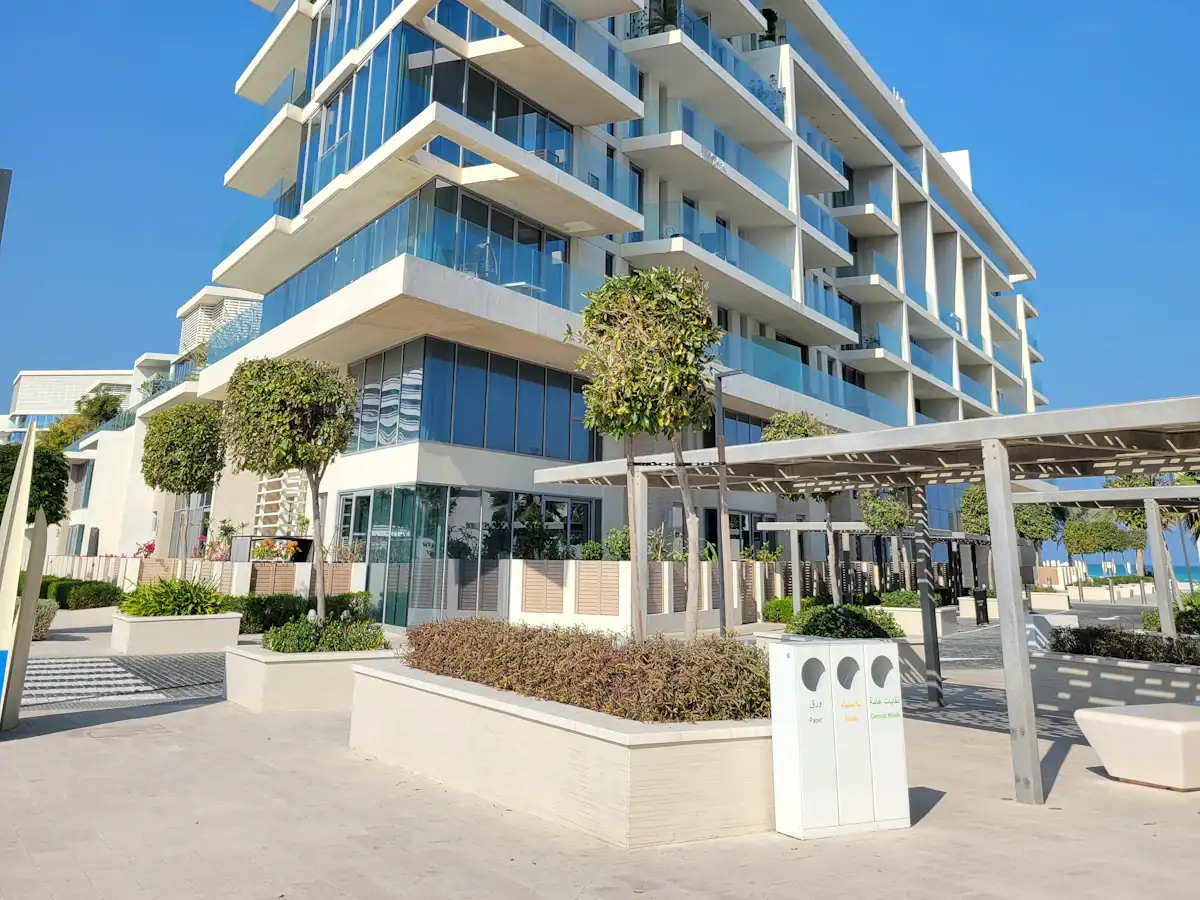
Before the tenant: preparing the unit
The law requires the property to be handed over in a condition suitable for its use. In practice, that means servicing the air conditioning, fixing leaks and faulty fittings, deep cleaning, and checking that every appliance included in the rent works. Then record the unit room by room with dated photos. That report becomes the reference point for the whole tenancy.
Finding and choosing a tenant
- Advertise with a valid Madhmoun permit. Up to three approved brokers can list the unit.
- Ask for ID and, for a company lease, the trade licence and the signatory’s authority.
- Agree the rent, the number of payments and the deposit before drafting the contract.
The contract and registration
Write everything down: rent and payment dates, the deposit, maintenance responsibilities, permitted use and notice. Then register the contract on Tawtheeq. Without registration, the tenant cannot connect utilities, and the contract is harder to rely on in a dispute. See our Tawtheeq guide.
Rent through the year
Rent is often paid by post-dated cheques. Keep a list of each cheque with its date and amount, deposit them on time and note when each clears. If a payment is late or a cheque is returned, contact the tenant in writing straight away. Small problems are easier to solve in the first week than the third month. If it cannot be solved, our disputes service can advise you on the next step.
Maintenance and inspections
Answer repair requests quickly and in writing, and keep the invoices. Necessary repairs are the landlord’s responsibility unless the contract says otherwise. Arrange any visit to the unit with the tenant in advance. Our maintenance guide sets out who handles what.
Renewal
Decide early whether you want to renew and on what terms, then tell the tenant in writing within the notice periods set by the law and the contract. Once agreed, the renewal is registered on Tawtheeq. Leaving it to the last week is how owners end up with an empty unit or a rushed decision.
When the tenancy ends
- Inspect the unit with the tenant and compare it with the move-in report.
- Take back the keys and access cards.
- Confirm the utility account has been closed.
- Cancel the contract on Tawtheeq.
- Settle the deposit, explaining any deduction with photos and invoices.
Doing it yourself or appointing a manager
Plenty of owners in Abu Dhabi manage their own unit well, especially when they live nearby and have one property. A manager earns their fee when you live abroad, own several units, or would rather not handle tenant calls and contractors yourself. Either way, the steps above are the same.